
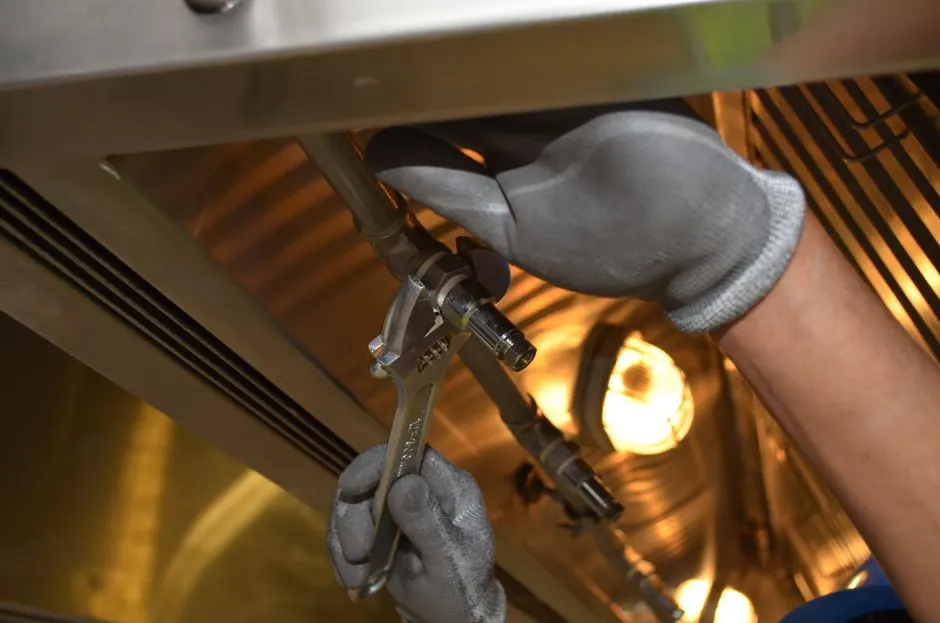
A furnace making loud noise is almost always a mechanical or airflow problem, not a random quirk. The specific sound tells you what is wrong: banging points to delayed ignition or a failing blower, rattling points to loose panels or a unbalanced blower wheel, and squealing points to a worn belt or motor bearing. In this post, we break down each noise, what causes it in Pennsylvania homes, and the fixes that actually work.
Why is my furnace making a loud noise in Pennsylvania?
Furnace noise troubleshooting in Pennsylvania starts with matching the sound to the component. A furnace that hums quietly is normal. A furnace that bangs, screeches, or rattles is not. The cause is usually one of six things: dirty burners, a failing blower motor, a loose belt, expanding ductwork, a cracked heat exchanger, or debris stuck in the blower wheel.
Pennsylvania homes deal with a specific set of conditions that make these problems more common. Our winters swing from 40°F in December to single digits in January, and that temperature whiplash forces the furnace to cycle on and off more often. Older row homes in Philadelphia and Pittsburgh have ductwork that was sized for coal furnaces, not modern high-efficiency units, so airflow is restricted from day one. That restriction wears out blower motors faster.
If you hear a noise that sounds like metal grinding or a persistent screech, shut the furnace off at the thermostat and call for Furnace Repair in Pennsylvania. Running a furnace with a failing blower or a cracked heat exchanger can turn a $300 repair into a $3,000 replacement.
Furnace banging noise when starting
A furnace banging noise when starting in Pennsylvania is usually delayed ignition. Gas builds up in the burner compartment for a few seconds before the igniter lights it, and when it finally catches, you get a small explosion. That is the bang.
Delayed ignition happens for three reasons: dirty burners, a weak igniter, or a gas valve that opens too slowly. In our experience, dirty burners are the culprit about 70% of the time. Pennsylvania's humidity swings pull dust into the burner tubes, and after two or three seasons the ports clog enough to delay ignition.
The fix is straightforward. We pull the burners, clean the ports with a wire brush, check the igniter resistance, and test the gas valve pressure. Typical 2026 pricing for a burner cleaning and ignition tune-up runs $180 to $350. If the gas valve is failing, add $250 to $500 for the part and labor.
One more thing: if the bang is followed by a rumbling sound that lasts 10 to 20 seconds, you may have a cracked heat exchanger. That is a carbon monoxide risk. Shut the furnace down and call us immediately.
Furnace rattling noise troubleshooting
Furnace rattling noise troubleshooting in Pennsylvania usually ends at one of four places: the blower wheel, the blower housing, the ductwork, or the panels.
Start with the easy checks. Turn the furnace off, open the front panel, and look for loose screws on the blower housing. A single missing screw can make a rattle that sounds like a much bigger problem. Check the filter too. A clogged filter restricts airflow and makes the blower work harder, which can cause the wheel to wobble and rattle against the housing.
If the rattle persists, the blower wheel is likely unbalanced. Dirt and debris collect on the fins over time, and even a small imbalance at 1,000 RPM creates a noticeable shake. We pull the blower assembly, clean the wheel, and rebalance it. That service runs $200 to $400 in 2026.
Ductwork is the other common source. Pennsylvania homes with flex duct or older sheet metal ducts often have loose joints or missing dampers. When the blower kicks on, the duct expands and rattles against the floor joists. We can tighten the joints and add isolation pads, but if the ductwork is undersized, a Furnace Maintenance in Pennsylvania visit will confirm whether you need a larger return or a duct redesign.
Furnace squealing noise repair
Furnace squealing noise repair in Pennsylvania almost always involves the blower motor or the belt. If your furnace has a belt-driven blower, a worn or glazed belt will squeal on startup and sometimes during the entire run cycle. Replacing the belt is a $150 to $250 job.
If the furnace has a direct-drive blower, the squeal is coming from the motor bearings. They dry out over time, especially in furnaces that run 6 to 8 months a year. You can sometimes lubricate the bearings, but if the motor is more than 10 years old, replacement is the better call. A new blower motor installed runs $400 to $800 depending on the size and whether it is a standard PSC motor or an ECM variable-speed motor.
One warning: a squeal that turns into a grinding sound means the bearing is about to seize. If that happens, the motor can overheat and trip the limit switch, leaving you with no heat. Shut it down and call for Emergency Furnace Repair in Pennsylvania before it fails completely.
Furnace making noise but not heating
A furnace making noise but not heating in Pennsylvania points to a different set of problems. The furnace is running, but the heat is not reaching the rooms. Common causes include a failed igniter, a tripped limit switch, a clogged flame sensor, or a blower that is running but not moving air.
If you hear the inducer motor running but no ignition, the igniter is the likely culprit. We test resistance and replace it if it is out of spec. That is a $150 to $300 repair. If the furnace ignites but shuts off after 5 to 10 seconds, the flame sensor is dirty or failing. Cleaning it takes 15 minutes; replacing it is $120 to $250.
If the blower runs but you feel no air at the vents, the problem is airflow. Check the filter first. If it is clean, the blower wheel may be clogged or the ductwork may be blocked. In Pennsylvania, we see this a lot in homes with finished basements where a return air grille got covered during remodeling.
For homeowners in the Philadelphia area, we handle these calls daily. If you are in Furnace Repair in Philadelphia, our team can be at your door the same day.
What to watch out for
Do not ignore a new noise. A furnace that starts banging or squealing after years of quiet operation is telling you a part is failing. The longer you run it, the more damage you do to the blower, the heat exchanger, or the control board.
Do not assume a loud furnace is just "old." Age matters, but a 15-year-old furnace that is maintained can run quieter than a 5-year-old furnace that has never been cleaned. The noise is a symptom, not a verdict.
Do not try to fix gas or electrical components yourself. Cleaning a flame sensor is one thing. Pulling a blower motor or opening the gas valve is another. In Pennsylvania, gas furnace repair requires a licensed technician, and for good reason: carbon monoxide, gas leaks, and electrical fires are the risks.
Do not replace the furnace just because it is noisy. We see homeowners spend $4,000 to $6,000 on a new furnace when a $300 blower cleaning would have solved the problem. Get a diagnosis first.
When to call a professional
Call a professional when the noise is new, when it is getting louder, or when it is accompanied by a burning smell, a gas smell, or a yellow flame instead of blue. Those are safety issues, not maintenance items.
Call us when you hear banging on startup, squealing that does not stop, or rattling that you cannot trace to a loose panel. Our team at Furnace Pros Pennsylvania diagnoses the noise, explains what is failing, and gives you a flat price before we start work. We serve homeowners across Pennsylvania, from Furnace Repair in Pittsburgh to Furnace Repair in Allentown and everywhere in between.
If your furnace is making noise but not heating, or if you are not sure whether the noise is serious, call us. We will tell you straight.
Frequently Asked Questions
Why is my furnace making a loud noise in Pennsylvania?
The most common causes are delayed ignition (banging), a dirty blower wheel (rattling), and worn motor bearings (squealing). Pennsylvania's temperature swings and older ductwork make these problems more likely. A professional diagnosis takes 30 to 45 minutes and costs $89 to $150, which we waive if you approve the repair.
What causes a furnace to bang or rattle in Pennsylvania?
Banging is usually delayed ignition from dirty burners or a weak igniter. Rattling is usually a loose blower wheel, a missing panel screw, or ductwork that expands against the floor joists. Both are fixable. Ignition repairs run $180 to $350; blower and duct repairs run $200 to $400.
How do I fix a noisy furnace in Pennsylvania?
Start by replacing the filter and checking for loose panels. If the noise persists, shut the furnace off and call a technician. We clean the burners, balance the blower, and tighten the ductwork. Most noisy furnaces are quiet again after a single service visit.
Is a loud furnace dangerous in Pennsylvania?
A banging noise from delayed ignition can be dangerous if gas is leaking. A squealing or grinding noise is usually not immediately dangerous but can lead to a motor failure and a no-heat emergency. If you smell gas or see a yellow flame, leave the house and call us from outside.
When should I call a professional for furnace noise in Pennsylvania?
Call when the noise is new, getting louder, or paired with a burning or gas smell. Also call if the furnace is making noise but not heating. We offer same-day service across Pennsylvania and can diagnose the issue in under an hour.
Get help with Furnace Repair in Pennsylvania
If your furnace is making a loud noise, do not wait for it to fail. We diagnose the cause, fix it right, and have your heat back on the same day. Call Furnace Pros Pennsylvania at (833) 586-3803 for fast, upfront service across Pennsylvania.