
Furnace Pros Pennsylvania logo Furnace Pros Pennsylvania
Get Estimate

Emergency Furnace Repair in Pennsylvania, Day or Night

24/7 heating repair in Pennsylvania when your heat quits


When your furnace dies at 2 a.m. and the house is already at 52 degrees, Emergency Furnace Repair in Pennsylvania gets a licensed tech to your door fast. We run 24/7 heating repair in Pennsylvania for gas, electric, and high-efficiency systems, from Harrisburg rowhouses to Bethlehem split-levels. One call, one dispatch, and we diagnose on the first visit.

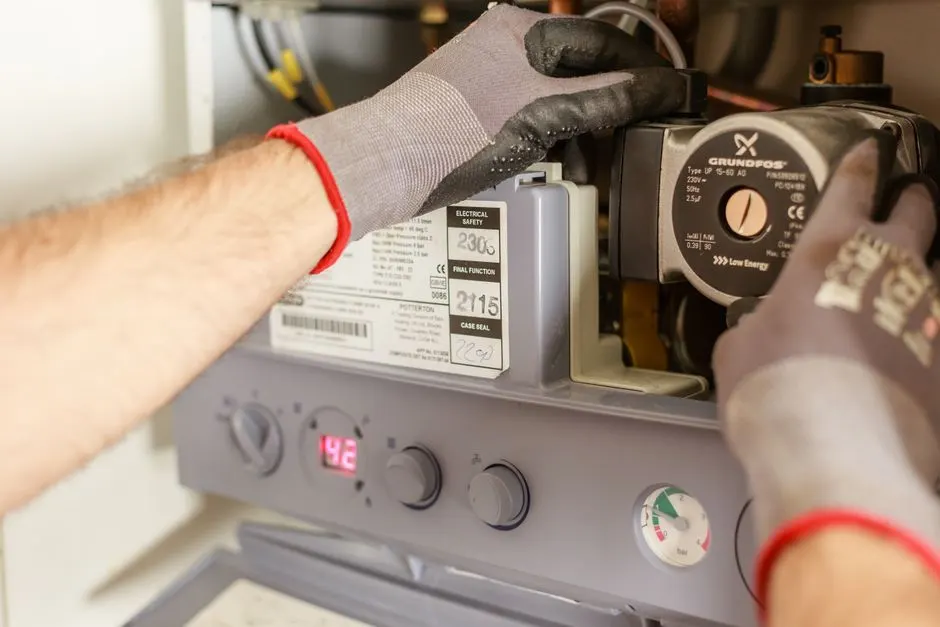
Close-up of hands adjusting a boiler system with precise instrumentation, showing maintenance work.
Licensed Licensed & Bonded
Fully Insured Insured & Bonded
24/7 Emergency Same-Day Response
Warranty Backed Workmanship Guaranteed

What Emergency Furnace Repair Includes

Every emergency call includes the full diagnostic and a written repair quote before any work begins. Here is what is covered in the standard service, and what gets quoted separately if your system needs it.

Full No-Heat Diagnostic

We test the thermostat call, ignition sequence, flame sensor signal, gas pressure, and blower operation. A combustion analyzer checks flue gases and an inspection camera looks at the heat exchanger. This is included in the diagnostic fee, not billed as extra.
Repair Labor and Standard Parts

Igniters, flame sensors, thermocouples, limit switches, and air filters are stocked on the truck and included in the quoted repair price. Larger parts like blower motors, inducer motors, gas valves, and circuit boards are quoted separately once we confirm the fault.

Safety Verification

After the repair, we run a full heat cycle and confirm the temperature rise is within the manufacturer's spec. We check for gas leaks with a leak detector and confirm carbon monoxide levels at the supply plenum are safe before we leave.

Filter Check and Airflow Confirmation

A clogged air filter is one of the most common causes of furnace lockouts. We check it on every call, replace it if you have one on hand or we carry the size, and confirm the blower is moving the right CFM for your system.

Written Ticket and Warranty Terms

You get a written ticket showing what failed, what we replaced, and the warranty on the parts and labor. If the same failure comes back inside the warranty window, we come back at no charge for the labor.

What Emergency Furnace Repair in Pennsylvania Covers


Emergency Furnace Repair in Pennsylvania is the after-hours, same-day service that restores heat when a furnace stops running, blows cold air, or locks out on a fault code. A technician arrives with a manifold gauge set, multimeter, and combustion analyzer, then works through the system in order: thermostat call, ignition sequence, gas valve, flame sensor, blower, and heat exchanger. Most no-heat calls trace back to a dirty flame sensor, failed igniter, clogged air filter, or a blower motor that finally seized after years of short-cycling.

Pennsylvania winters do not negotiate. A furnace that quits in November usually quits for good, and the pipes in an unheated basement can start freezing within a single cold night. That is why homeowners across the state search for 24/7 heating repair Pennsylvania and same day furnace repair Pennsylvania the moment the thermostat stops climbing. If you need 24 hour emergency furnace repair in Pennsylvania, we answer the phone, dispatch a truck, and stay on the job until the burners light and the temperature holds.

How Our Emergency Furnace Repair Works

Five steps, from the phone call to a warm house. Here is exactly what happens after you dial (833) 586-3803.

01

Schedule

Call or book online — a real human picks up and confirms a 2-hour arrival window.

02

Diagnose

Licensed tech inspects on-site, then walks you through the cause and your options.

03

Fix

The job is completed to code and done right the first time — no shortcuts, no surprises.

04

Guarantee

Every job backed by a written workmanship warranty — and we stand behind it.

Tools and Methods We Use

Tools & Equipment

Manifold gauge set

Checks gas pressure at the manifold and confirms the valve is delivering the right inches of water column for your furnace's rating plate.

Combustion analyzer

Reads flue gas oxygen, carbon monoxide, and temperature to confirm the furnace is burning clean and the heat exchanger is not leaking.

Multimeter and clamp meter

Tests voltage and amperage at the thermostat, control board, igniter, and blower motor to isolate electrical faults instead of swapping parts.

Leak detector

Sniffs for gas leaks at every joint and valve on the gas line before and after any repair that touches the gas side of the system.

Inspection camera

Looks inside the heat exchanger and the blower compartment for cracks, debris, and damage that is invisible from the outside.

Vacuum pump and tube brush

Cleans the flame sensor, pilot orifice, and condensate trap on condensing furnaces so the ignition sequence stays reliable.

Fin comb and thermostat tester

Straightens bent condenser and evaporator fins for airflow, and tests thermostat output to rule out a control-side fault before touching the furnace.

Methods & Standards

ACCA standards and Manual J load calculation

When a repair turns into a replacement conversation, we size the new furnace with a Manual J load calculation instead of matching the old unit's nameplate. That is how you avoid an oversized furnace that short-cycles and wears out early.

NATE-certified diagnostic sequence

Every call follows the same order: thermostat call, ignition sequence, flame sensing, gas pressure, airflow, and heat exchanger. Skipping steps is how techs miss the real fault and sell you a part you did not need.

EPA Section 608 safety compliance

Combustion work, refrigerant handling, and gas-side repairs follow EPA Section 608 procedures. That includes leak testing, proper venting verification, and documenting the work on the ticket.

OSHA safety compliance on every job

Gas leaks, cracked heat exchangers, and carbon monoxide calls get treated as safety emergencies. We shut down unsafe equipment, document the condition, and walk you through the options before any repair or replacement.

When to Call for Emergency Furnace Repair

01

Furnace dies on a Friday night in January with a newborn in the house and the temperature dropping fast.

What we do: We prioritize calls with infants, elderly residents, or medically dependent occupants. The dispatcher flags the ticket, and the nearest tech gets rerouted. We carry igniters, flame sensors, and blower motors on every truck, so most of these calls get fixed on the first visit.

→ Heat restored the same night, usually within a few hours of the call, with no weekend upcharge on the diagnostic or the repair.

02

Furnace runs but never reaches the set temperature, and the gas bill jumped 40 percent compared to last winter.

What we do: This pattern usually points to a dirty flame sensor, a failing blower motor, or a gas pressure issue. We meter the flame sensor signal, test gas pressure at the manifold, and check the temperature rise. The fix is often a cleaning and a minor adjustment rather than a major part.

→ The furnace reaches setpoint again, and the next gas bill reflects a system running at its rated efficiency instead of short-cycling all night.

03

You come home from a weekend away and the house is 45 degrees with the furnace locked out on a fault code.

What we do: We read the fault code, work through the diagnostic sequence, and find the actual failure. If the pipes are at risk, we tell you to open the faucets to a trickle while we are en route. On arrival we fix the furnace first, then check for any freeze damage in the basement.

→ Heat restored and the house back to temperature, with a documented repair and a filter change so the same lockout does not repeat next month.

04

Furnace is blowing cold air and the thermostat is blank, but the breaker looks fine.

What we do: A blank thermostat with a good breaker usually means a low-voltage transformer or control board failure. We test voltage at the board, confirm the transformer output, and replace the failed component. If the board is the issue, we carry universal boards that fit most Carrier, Trane, and Goodman systems.

→ Thermostat powered, furnace firing, and the system running through a full heat cycle before we pack up. Most of these calls are done in under two hours.

How Emergency Furnace Repair Runs in Pennsylvania

Pennsylvania winters vary a lot depending on where you live. A furnace in Erie or Wilkes Barre faces lake-effect cold and longer heating seasons, while a system in Philadelphia or Harrisburg runs shorter cycles but deals with older housing stock and undersized ductwork. In the older rowhouses around Pottstown, Conshohocken, and Phoenixville, we often find furnaces vented into masonry chimneys that need a liner inspection before we call the job done. In newer builds in Collegeville, Fairless Hills, and Bethlehem, we see high-efficiency condensing furnaces with PVC venting and condensate traps that freeze if the drain line runs through an unheated space. Our trucks carry the parts that match both worlds: standing-pilot thermocouples for the older units and control boards and inducer motors for the newer ones. If you need weekend emergency furnace repair Pennsylvania, we run the same dispatch on Saturday and Sunday as we do on Tuesday. We also follow Pennsylvania HVAC license requirements and pull permits when a repair crosses into replacement territory.

Neighborhoods We Serve

  • Center City Philadelphia

    Older rowhouses with masonry chimneys and limited venting options. We check chimney liners and confirm draft before signing off on any repair.

  • Downtown Harrisburg

    Mix of older homes and converted multi-family buildings. We see a lot of shared venting and undersized returns that cause short cycling.

  • Bethlehem South Side

    Historic housing stock with original ductwork. Airflow issues are common, so we check static pressure and blower performance on every call.

  • Phoenixville Borough

    Older homes with retrofitted high-efficiency furnaces. Condensate drain routing is the most common failure point we find here.

  • Conshohocken riverfront

    Newer construction with tight envelopes and PVC-vented condensing furnaces. We see frozen condensate lines when the drain runs through a cold garage.

Local Conditions We Plan For

  • Lake-effect cold in Erie and Wilkes Barre

    Longer heating seasons and deeper temperature drops mean furnaces run harder and fail faster. We prioritize no-heat calls in these areas during cold snaps and stock extra igniters and blower motors on those routes.

  • Older masonry chimneys in southeastern Pennsylvania

    Furnaces vented into unlined chimneys can backdraft and spill combustion gases. We inspect the liner and test draft with a combustion analyzer before we call a repair complete.

  • Freeze risk in unheated basements and crawlspaces

    Pipes and condensate drains freeze when the furnace is out overnight. We tell callers to trickle a faucet while we are en route, and we check the basement for freeze damage after the repair.

  • Mixed housing stock from 1920s rowhouses to 2020s builds

    Parts and venting setups vary widely across the state. Our trucks carry both standing-pilot components and modern control boards so we can fix either system on the first visit.

No-Heat Call in Pottstown at 11 p.m.

Before

A homeowner in Pottstown called at 11 p.m. on a Saturday in January. The furnace was running but blowing cold air, and the house had dropped to 55 degrees. The thermostat was calling for heat, but the burners never lit.

After

Our tech arrived in about 90 minutes, tested the ignition sequence, and found a failed igniter drawing zero amps. We replaced it from the truck stock, confirmed the burners lit, and verified the temperature rise was in spec. Total repair: $240, no weekend upcharge.

Maintenance: We recommended an annual tune-up each fall to check the igniter and flame sensor before the heating season starts. A $99 tune-up prevents most no-heat calls.

Before

A Bethlehem homeowner reported the furnace running for two minutes, shutting off, and repeating all night. The house never reached the set temperature, and the gas bill had jumped 40 percent compared to the prior winter.

After

We found a clogged air filter and a blower wheel packed with pet hair. After cleaning the blower, replacing the filter, and testing the limit switch, the furnace ran a full 15-minute cycle and reached setpoint. The repair cost $310 and the next gas bill dropped noticeably.

Maintenance: We set the homeowner up on a filter replacement schedule every 60 days and booked a fall tune-up to clean the blower wheel before the next heating season.

Before

A Harrisburg property manager called about a tenant reporting headaches and a gas smell near the furnace. The furnace was running, but the CO detector in the hallway had chirped twice that week.

After

Our tech shut the furnace down, inspected the heat exchanger with a camera, and confirmed a crack in the secondary section. We documented the condition, quoted a replacement, and installed a new high-efficiency unit with a Manual J load calculation. The tenant was back to safe heat within 48 hours.

Maintenance: We scheduled annual combustion analysis and heat exchanger inspection for the new unit, and recommended a low-level CO monitor near the sleeping areas as a backup.

Furnace Problems We Fix on Emergency Calls

Most no-heat calls fall into a handful of categories. Here are the ones we see most across Pennsylvania, and what happens if you let them ride.

Problem

Furnace not heating but the thermostat is calling

The house cools fast, and pipes in an unheated basement or crawlspace can start freezing within a single cold night. A $200 repair becomes a $2,000 water damage claim.

Our Fix

We test the ignition sequence and meter the flame sensor signal. Nine times out of ten it is a dirty flame sensor or a failed igniter. We clean or replace the part, verify the burners light, and confirm the temperature rise is in spec before we leave.

Problem

Furnace blowing cold air with the fan running

The blower is moving air but the burners never light, so you are paying to circulate cold air through the house. This usually points to a gas valve, igniter, or control board fault.

Our Fix

We check gas pressure at the manifold with a gauge set, test the gas valve signal from the board, and confirm the igniter is drawing the right amperage. Once we find the fault, we quote the repair and fix it on the spot if the part is on the truck.

Problem

Pilot light will not stay lit

Older standing-pilot furnaces go out and stay out when the thermocouple or thermopile fails. You relight it, it runs for an hour, then it goes out again in the middle of the night.

Our Fix

We replace the thermocouple or thermopile, clean the pilot orifice, and test the millivolt reading at the gas valve. If the gas valve itself is weak, we quote that separately. Either way, you get a furnace that stays lit through the night.

Problem

Furnace short-cycling on the limit switch

The furnace runs for two minutes, shuts off, runs again, shuts off. It never satisfies the thermostat, and the repeated cycling wears out the blower motor and heat exchanger over time.

Our Fix

Short cycling almost always means restricted airflow or an overheating condition. We check the air filter, inspect the blower wheel for debris, and test the limit switch. Cleaning the blower and correcting airflow usually solves it without replacing parts.

Problem

Cracked heat exchanger or gas smell

A cracked heat exchanger can leak carbon monoxide into the supply air. This is a safety emergency, not a comfort issue, and the furnace should not run until it is inspected.

Our Fix

We inspect the heat exchanger with a camera and test flue gases with a combustion analyzer. If it is cracked, we shut the furnace down and quote a replacement. If it is not, we document the inspection and get you back to safe operation.

Why Homeowners Call Us First

Why Homeowners Call Us First

A no-heat call is not the time for a callback queue. Here is what you get when you call us instead of waiting until Monday morning.

  • Same-Day Dispatch Statewide

    We run trucks out of multiple Pennsylvania hubs, so a call from Pottstown or Hanover does not wait behind a crew two hours away. Most no-heat calls get a technician on site the same day, and overnight calls get a confirmed arrival window before you hang up.

  • No Overtime Price Gouging

    Nights, weekends, and holidays bill at the same diagnostic rate as a Tuesday afternoon. You get the price before we start, and the repair quote is written on the ticket. No surprise line items after the burners light and you are just happy to have heat.

  • Parts Stocked on the Truck

    Igniters, flame sensors, thermocouples, gas valves, and universal circuit boards ride on every truck. That means a Goodman or Rheem furnace that failed at 9 p.m. usually gets fixed on the first visit instead of sitting cold until a part ships in.

  • Repair Now, Replace Only If Needed

    We repair first. If a cracked heat exchanger or a 25-year-old Bryant unit is genuinely unsafe or uneconomical, we say so plainly and quote a replacement. You will never be pushed into a new furnace for a $180 igniter.

Emergency Furnace Repair Pricing

Emergency furnace repair in Pennsylvania runs $180 to $900 in 2026 depending on the part and the labor. The diagnostic fee is stated when you call, and the repair quote is written before we start. Nights, weekends, and holidays bill at the same rate as a weekday afternoon, which is not how most emergency HVAC contractors in Pennsylvania operate. Here is what moves the number up or down.

Typical Investment Range

$180 - $900 depending on the part and labor

The diagnostic fee covers a full combustion analysis, heat exchanger inspection, and electrical testing, not just a visual look. You get a written quote before we start, and the invoice matches it. No overtime premium, no surprise line items.

What changes the price

01

Part cost and availability

A flame sensor or igniter is a $30 to $80 part and a quick install. A blower motor, inducer motor, gas valve, or circuit board runs $200 to $600 for the part alone and adds an hour or more of labor.

02

Furnace brand and age

Common brands like Carrier, Trane, Lennox, Goodman, and Rheem have widely available parts. Older or discontinued units may need a universal replacement, which can add cost but is often cheaper than a new furnace.

03

Access and location

A furnace in a finished basement or a tight closet takes longer to service than one in an open utility room. Attic and crawlspace installs add labor time, which shows up in the quote.

04

Time of day and season

We do not charge overtime for nights, weekends, or holidays. The price is the same at 2 a.m. on a Sunday as it is at 2 p.m. on a Wednesday. Peak-season demand may affect scheduling, not pricing.

05

Repair versus replacement

If the repair is more than half the cost of a new furnace and the unit is over 20 years old, replacement usually makes more sense. We quote both options so you can compare the real numbers.

Licensed, Certified, and Insured

Licensed & Certified

  • NATE Certification — issued by North American Technician Excellence
  • EPA Section 608 Certification — issued by U.S. Environmental Protection Agency
  • Pennsylvania HVAC License — issued by Pennsylvania Office of Attorney General
  • OSHA Safety Compliance — issued by Occupational Safety and Health Administration
  • ACCA Standards Compliance — issued by Air Conditioning Contractors of America

Verified Reviews

Google ★★★★★4.9

Called at 10 p.m. on a Sunday with no heat and a 6-month-old in the house. Dispatcher was calm and gave me a real ETA. Tech showed up in about an hour, found a bad igniter, and had us warm before midnight. Price was exactly what they quoted on the phone.

Yelp ★★★★★4.8

Our furnace was short-cycling and the last company wanted to sell us a new system. These guys cleaned the blower wheel, replaced the filter, and tested the limit switch. $310 and the furnace has run perfectly all winter. Honest diagnosis instead of an upsell.

BBB ★★★★★4.9

I manage rentals in Harrisburg and Highspire and have used them three times this winter. Every call was quoted upfront, the invoice matched, and the tenants got a text with the ETA. That last part saves me a dozen phone calls every time.

Furnace Repair Expertise You Can Verify

Our technicians hold NATE certification and EPA Section 608 credentials, and every tech works under a Pennsylvania HVAC license. We service Carrier, Trane, Lennox, Goodman, Rheem, York, Bryant, American Standard, Amana, and Coleman equipment, from 1980s standing-pilot units to modern condensing furnaces. Training does not stop at hire: our techs run manufacturer certification modules on the specific brands they see most, and we follow ACCA standards and Manual J load calculation principles when a repair turns into a replacement conversation. That is the difference between a tech who swaps parts until the heat comes on and one who finds the actual fault.

  • NATE-certified technicians on every emergency dispatch, not just daytime calls.
  • EPA Section 608 handling for refrigerant and combustion safety work.
  • Combustion analyzer testing on every no-heat call to catch CO issues early.
  • Manufacturer certification on Carrier, Trane, Lennox, Goodman, and Rheem systems.
  • OSHA safety compliance on every job, including gas leak and heat exchanger calls.
Get Started Today
Furnace Repair Expertise You Can Verify

Cities We Serve for Emergency Furnace Repair

We run 24/7 heating repair Pennsylvania-wide, with trucks staged so a no-heat call in Harrisburg, Bethlehem, or Phoenixville gets a real arrival window. From the older rowhouses in Pottstown and Conshohocken to the newer builds in Collegeville and Fairless Hills, our techs know the furnace brands and venting setups that show up in each area.

Harrisburg

Older homes and converted multi-family buildings with shared venting. We check chimney draft and static pressure on every no-heat call in the city.

Pottstown

Rowhouse neighborhoods with masonry chimneys and retrofitted furnaces. We stock thermocouples and igniters for the standing-pilot units common here.

Conshohocken

Riverfront new builds with PVC-vented condensing furnaces. Frozen condensate drains are the most common winter call we run here.

Hanover

Mix of older single-family homes and newer construction. We see a lot of short-cycling from undersized returns, which we fix with airflow correction.

East Petersburg

Small-town housing stock with a mix of gas and electric furnaces. We carry parts for both so most calls get fixed on the first visit.

Bethlehem

Historic South Side homes with original ductwork and newer high-efficiency systems. We check static pressure and blower performance on every call.

Airville

Rural properties where a no-heat call can mean a long wait for other companies. We route trucks to cover this area with the same response window as metro calls.

Highspire

Borough homes with older furnaces and limited service options. We handle gas valve, igniter, and blower motor repairs on the first visit.

Myerstown

Lebanon County homes with a mix of propane and natural gas furnaces. We carry the parts for both and test combustion on every repair.

Shrewsbury

York County homes that see colder nights than the metro. We prioritize no-heat calls here during cold snaps and stock extra blower motors.

Fairless Hills

Bucks County suburban neighborhoods with newer builds. We service the high-efficiency condensing units common here, including condensate trap repairs.

Phoenixville

Borough homes with retrofitted high-efficiency furnaces. Condensate drain routing is the most common failure point we find in this area.

Collegeville

Newer construction with tight envelopes and PVC venting. We check combustion and confirm the venting is code-correct on every repair.

Flourtown

Montgomery County homes with a mix of older and newer systems. We handle everything from thermocouple replacements to control board swaps.

Merion Station

Main Line homes with larger systems and zoned ductwork. We test static pressure and confirm airflow is balanced before we call a repair complete.

Frequently Asked Questions

Real answers to the questions we hear most often from local homeowners and property managers.

How much does emergency furnace repair cost in Pennsylvania?
Most emergency furnace repairs in Pennsylvania run $180 to $650 in 2026, including the diagnostic. Common fixes like a flame sensor cleaning or igniter replacement sit at the low end; a blower motor or inducer motor replacement lands higher. Gas valve and circuit board jobs can reach $700 to $900. We quote before we start, and nights and weekends bill at the same rate as daytime.
Who offers 24/7 emergency furnace repair in Pennsylvania?
We do, statewide. Call (833) 586-3803 any hour and a live dispatcher books the call. We cover metro areas like Philadelphia, Pittsburgh, Allentown, and Scranton plus the smaller towns in between. Overnight and holiday calls get the same diagnostic rate as a weekday afternoon, and we confirm an arrival window before you hang up.
Can I get same day emergency heating repair in Pennsylvania?
Yes. Most no-heat calls placed before mid-afternoon get a technician on site the same day. Calls that come in overnight are typically scheduled for first-thing morning unless you are in an active freeze emergency, in which case we prioritize. When you call, tell the dispatcher if anyone in the home is elderly, an infant, or medically dependent on heat.
What should I do if my furnace stops working in Pennsylvania?
Check the thermostat batteries and the breaker first, then confirm the air filter is not clogged. If the furnace still will not fire, call us. If you smell gas, leave the house and call 911 before anything else. Do not keep resetting a furnace that locks out repeatedly; that usually means a real fault like a dirty flame sensor, failed igniter, or cracked heat exchanger that needs a technician.

Related Services

Furnace Repair

Standard scheduled furnace repair for problems that are not yet an emergency: short cycling, uneven heat, or a furnace that runs but never quite satisfies the thermostat. Same technicians, same parts, just booked on your schedule instead of ours.

View Furnace Repair

Furnace Installation

When a repair is not the answer, we install new Carrier, Trane, Lennox, and Goodman systems sized with a Manual J load calculation. We handle the permit, the venting, and the startup, and we walk you through the new thermostat before we leave.

View Furnace Installation

Furnace Replacement

If your furnace is 20-plus years old and has needed two emergency calls in one winter, replacement usually beats another repair. We quote replacement options alongside the repair so you can compare the real numbers instead of guessing.

View Furnace Replacement

Furnace Maintenance

Annual maintenance is the cheapest way to avoid an emergency call. We clean the flame sensor, check the igniter, test the limit switches, and inspect the heat exchanger so small issues get caught in October instead of January.

View Furnace Maintenance

Furnace Tune-Up

A tune-up covers the full combustion side: gas pressure, flame quality, temperature rise, and flue draft. It is the service that keeps a furnace running at its rated efficiency and keeps the warranty valid on newer equipment.

View Furnace Tune-Up

Furnace Cleaning

Dust, pet hair, and debris choke a blower wheel and starve the system for airflow. Our cleaning service pulls the blower, cleans the wheel and cabinet, and replaces the air filter so the furnace stops overheating on the limit switch.

View Furnace Cleaning

Get Emergency Furnace Repair in Pennsylvania Tonight

Heat out, house cooling, no idea who to call? We answer 24/7, quote before we start, and bill nights and weekends at the same rate as daytime. Call (833) 586-3803 and we will give you a real arrival window before you hang up.

Call (833) 586-3803 Call Now

Contact Furnace Pros Pennsylvania

Call (833) 586-3803 any time, day or night, and a live dispatcher will get a tech headed your way. We run 24/7 emergency service across Pennsylvania and book standard appointments Monday through Friday, 8 a.m. to 6 p.m. Prefer email? Send your address and symptoms to [email protected] and we will call you back with an ETA.

Furnace Pros Pennsylvania


  • Address

    Pennsylvania

  • Hours

    Mon–Fri: 7AM – 7PM
    Sat: 8AM – 4PM
    Sun: Emergency Only
    24/7 Emergency Available

Call (833) 586-3803 Get Quote
Call Quote