
Full System Inspection
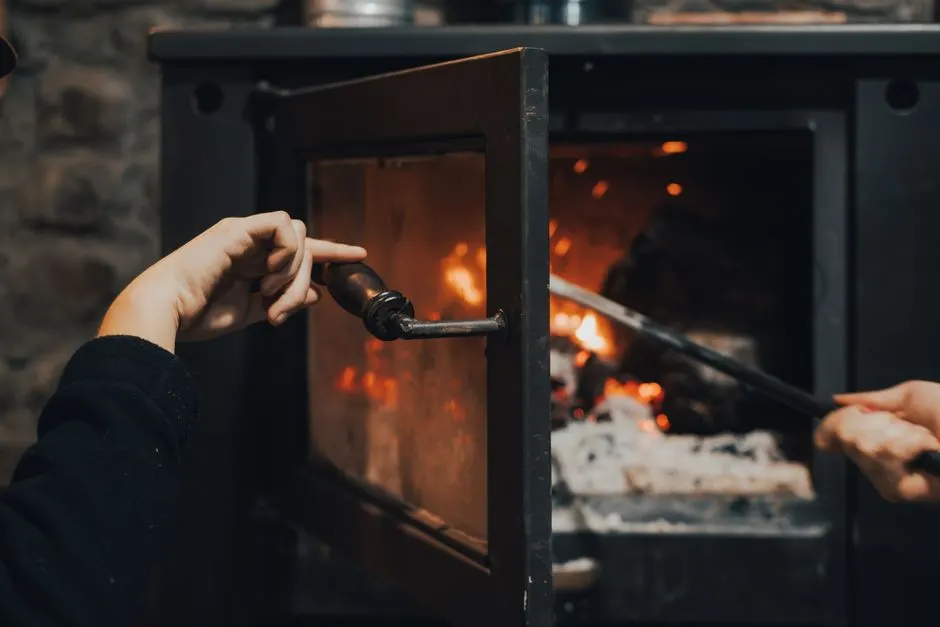
We inspect the furnace cabinet, flue, ductwork connections, and condensate lines. We check the filter and the blower compartment. Anything loose, cracked, or out of place gets flagged with a photo in your report.
Every furnace maintenance visit covers the full system, not just the filter. Here is what is included in the standard price, and what we quote separately if we find a problem.
We inspect the furnace cabinet, flue, ductwork connections, and condensate lines. We check the filter and the blower compartment. Anything loose, cracked, or out of place gets flagged with a photo in your report.
We pull the burners, brush them clean, and vacuum the heat exchanger. A fin comb straightens bent fins on the coil. Clean burners mean a cleaner flame, less soot, and fewer ignition problems next winter.
We test the igniter, flame sensor, thermocouple, limit switches, and gas valve with a multimeter. A combustion analyzer confirms carbon monoxide levels are safe and the heat exchanger is not leaking. This is the part of the visit that matters most.
We measure blower motor amp draw with a clamp meter and compare it to the nameplate rating. We check the capacitor and lubricate the bearings. Restricted airflow is the most common cause of high limit trips and short cycling.
We test the thermostat with a thermostat tester, verify the setpoints, and check the wiring at the control board. If your thermostat is old or losing its calibration, we will tell you and quote a replacement.
You get a written report with the readings we took, photos of anything that needs attention, and a clear list of what to fix now versus what can wait. No pressure, no upsell, just the facts about your system.
Furnace Maintenance in Pennsylvania is a scheduled service visit that inspects, cleans, and tunes every part of your heating system before it has to carry you through a Pennsylvania winter. We pull the burners, brush the heat exchanger, test the igniter and flame sensor, check the gas valve, and measure airflow across the blower. A full visit runs 60 to 90 minutes on most residential systems, and you get a written report of what we found, what we fixed, and what to watch next season.
Pennsylvania homes work their furnaces hard. A January stretch in Williamsport or Gettysburg can sit below 20 degrees for a week, and a furnace that skipped its annual service is the one that quits. We see clogged air filters, dirty flame sensors, and cracked heat exchangers on calls every winter, most of which a $150 to $300 tune-up would have caught. If you have been putting off furnace service Pennsylvania homeowners actually schedule, book it before the first hard freeze.
Every visit follows the same five steps, whether you are in a rowhouse in Glenside or a farmhouse outside Newville. Here is exactly what happens from the time we pull up.
Schedule
Call or book online — a real human picks up and confirms a 2-hour arrival window.
Diagnose
Licensed tech inspects on-site, then walks you through the cause and your options.
Fix
The job is completed to code and done right the first time — no shortcuts, no surprises.
Guarantee
Every job backed by a written workmanship warranty — and we stand behind it.
Combustion Analyzer
Measures carbon monoxide, oxygen, and stack temperature in the flue. This is how we confirm the heat exchanger is intact and the furnace is burning clean.
Manifold Gauge Set
Reads gas pressure at the valve and confirms it is set to the manufacturer spec for your furnace model. Wrong pressure wastes gas and shortens equipment life.
Multimeter and Clamp Meter
Tests igniters, flame sensors, thermocouples, limit switches, and gas valves. The clamp meter reads blower motor amp draw against the nameplate rating.
Inspection Camera
Lets us check the full heat exchanger and the inducer housing without pulling the furnace apart. We use it to find cracks you cannot see from the outside.
Leak Detector
Sniffs for gas leaks at every joint and connection on the gas line. Safety check we run on every gas furnace, every visit.
Tube Brush and Fin Comb
Cleans the burner tubes and straightens bent coil fins. Both are simple tools that make a measurable difference in airflow and combustion quality.
Vacuum Pump
Used on refrigerant-side work when we service the AC side of a split system during the same visit. Keeps the system dry and running efficiently.
ACCA Standards
We follow ACCA standards for airflow measurement and system performance. That means when we say your airflow is restricted, we have a number to back it up, not an opinion.
Manual J Load Calculation
When we size a new furnace or evaluate whether your current one is correctly sized, we run a Manual J. It accounts for square footage, insulation, windows, and local climate. Guessing at size is how furnaces get replaced too soon.
NATE Certification
Every tech on our team holds NATE certification. It is the industry standard for proving a technician knows heating systems, not just how to swap parts.
EPA Section 608
Required for any work involving refrigerants. Our techs hold current Section 608 credentials, which matters when we service the AC side of your system during a maintenance visit.
OSHA Safety Compliance
We follow OSHA safety procedures on every job site: lockout/tagout, gas leak protocols, and proper ventilation. Your home and our techs both go home safe.
01
What we do: We run a full inspection and tune-up, then give you a written baseline report with the age, condition, and expected life of your system. You will know exactly what you bought and what to budget for.
→ You start your first winter with a tested furnace and a clear picture of what it needs. No surprises in January.
02
What we do: Annual maintenance is the single best thing you can do for an aging furnace. We clean, test, and replace worn parts before they fail, and we monitor the heat exchanger for cracks that would force a replacement.
→ Most well-maintained furnaces run 3 to 5 years longer than neglected ones. That is real money saved on a $4,000 to $8,000 replacement.
03
What we do: Book a fall tune-up in September or October. We clean the burners, test the safety controls, and confirm the system is ready for the cold. If we find a problem, you have time to fix it on your schedule, not at 2 a.m. on a holiday weekend.
→ You enter winter with a furnace that has been checked end to end. The odds of a no-heat call drop dramatically.
04
What we do: We measure combustion efficiency with an analyzer and check airflow across the blower. Dirty burners and restricted airflow waste 10 to 25 percent of the gas you pay for. Cleaning and adjusting recovers most of that.
→ Most customers see a measurable drop in their January and February bills. On a $1,200 winter, that is $120 to $300 back.
Pennsylvania winters are not uniform. A home in Erie faces lake-effect cold and heavy snow, while a home in Philadelphia deals with freeze-thaw cycles that stress ductwork and condensate lines. Homes in older boroughs like Glenside and Mountville often have original ductwork sized for gravity furnaces, which means airflow is restricted and the blower works harder than it should. Newer builds in Landisville and New Freedom tend to have tighter envelopes and correctly sized systems, but they still need annual service to hold their efficiency. We adjust our checklist based on what we find: older homes get more airflow work, newer high-efficiency units get more condensate and pressure-switch attention. Pennsylvania code requires combustion safety checks on gas appliances, and we run them on every visit. If you are searching for winter furnace maintenance Pennsylvania homeowners can schedule without a three-week wait, we hold fall slots open for exactly that.
Glenside
Many homes here date to the 1920s and have original ductwork. We spend extra time on airflow balancing and blower amp draw readings on these systems.
Landisville
Newer construction with tight envelopes and high-efficiency furnaces. Condensate traps and pressure switches get extra attention on these units.
Mountville
A mix of older borough homes and newer builds. We see a lot of undersized returns here, which we flag during the airflow check.
New Cumberland
Susquehanna Valley humidity in summer and cold snaps in winter stress both sides of a split system. We service the AC and furnace in the same visit when possible.
Williamsport
Colder than the southeastern part of the state. Furnaces here run longer and harder, so we pay close attention to heat exchanger condition and blower wear.
Freeze-thaw cycles in southeastern Pennsylvania
Condensate lines on high-efficiency furnaces can freeze and block, shutting the system down. We check the line routing and insulation on every visit and recommend heat tape where needed.
Older housing stock with original ductwork
Restricted airflow makes the blower work harder and shortens motor life. We measure static pressure and flag ductwork that needs modification before it kills the blower.
Cold snaps below 20 degrees in central and western PA
Furnaces run continuously for days, which exposes weak igniters, dirty flame sensors, and failing blower motors. A fall tune-up catches these before the cold arrives.
High-efficiency furnace condensate management
Condensing furnaces produce acidic water that must drain properly. A clogged trap or a frozen line is one of the most common no-heat calls we run in January.
Most no-heat calls we run in January trace back to something a fall tune-up would have caught. Here are the problems we see most in Pennsylvania homes and what they cost you if you wait.
Problem
Usually a dirty flame sensor or a failed igniter. The furnace lights, runs for a few seconds, then shuts down. You wake up to a cold house and a repair bill that could have been a $20 part.
Our Fix
We clean or replace the flame sensor and test the igniter on every tune-up. If either is near the end of its life, we quote a replacement before it fails. Most customers spend $150 to $250 instead of a $400 emergency call.
Problem
A filter that has not been changed in six months restricts airflow, overheats the heat exchanger, and trips the high limit switch. Over time it kills the blower motor and shortens the life of the whole system.
Our Fix
We check the filter on every visit and show you how to change it yourself. For most Pennsylvania homes, a filter change every 60 to 90 days keeps airflow where it needs to be. We stock common sizes on the truck.
Problem
A cracked heat exchanger is a carbon monoxide risk and one of the few furnace problems you cannot see or smell. It is also a code violation, and most utilities will red-tag the system until it is replaced.
Our Fix
We run a combustion analyzer on every gas furnace and use an inspection camera to check the full exchanger. If we find a crack, we show you the photo and walk you through replacement options. Safety comes first.
Problem
A pilot that keeps going out usually means a bad thermocouple or a dirty pilot orifice. You relight it, it goes out again, and eventually you give up and call for emergency service on a Sunday.
Our Fix
We clean the pilot assembly and test the thermocouple on every standing-pilot furnace. If the thermocouple is weak, we replace it during the tune-up for a fraction of what an emergency call costs.
Problem
A thermostat that reads 68 when the room is 62 will run your furnace nonstop and still leave you cold. Bad calibration wastes gas and puts unnecessary hours on the equipment.
Our Fix
We test the thermostat with a thermostat tester and verify calibration on every visit. If it is off, we recalibrate or quote a replacement. A new thermostat is one of the cheapest efficiency upgrades you can make.
A furnace tune-up is the cheapest insurance you can buy against a mid-winter breakdown. Here is what our customers get out of it every year.
Lower Heating Bills
A dirty blower and a fouled burner waste 10 to 25 percent of the gas you pay for. We clean both, set the gas pressure to the manufacturer spec, and verify airflow. Most customers see a measurable drop in their January and February bills after annual furnace maintenance Pennsylvania techs perform correctly.
Fewer Breakdowns
Roughly 80 percent of no-heat calls we run in January trace back to something a tune-up would have caught: a weak igniter, a clogged filter, a flame sensor coated in carbon. We test each of those parts and replace what is near the end of its life before it fails on the coldest night of the year.
Verified Safety
We run a combustion analyzer on every gas furnace to measure carbon monoxide and confirm the heat exchanger is intact. A cracked heat exchanger is a carbon monoxide risk, and it is one of the few problems you cannot see or smell. Our inspection camera lets us check the full exchanger without pulling the furnace.
Longer Equipment Life
A furnace that gets serviced every year runs 3 to 5 years longer than one that does not. Belts, bearings, and motors last when they are lubricated and balanced. For a system that costs $4,000 to $8,000 to replace, that extra life is real money back in your pocket.
Typical 2026 pricing for a standard furnace tune-up in Pennsylvania runs $150 to $300. High-efficiency units, systems that have not been serviced in years, and homes with airflow problems can run higher. We quote the price before we start, and if we find a part that needs replacing, you get that price too. No surprises on the invoice. Maintenance plans spread the cost across the year and include priority scheduling during the fall rush.
Typical Investment Range
$150 - $300 for a standard tune-up; higher for high-efficiency or neglected systems
A $200 tune-up that catches a failing igniter saves you a $400 emergency call and a cold night. It also recovers 10 to 25 percent of the efficiency a dirty furnace loses. On a $1,200 winter heating bill, that is real money back.
What changes the price
System Type
A standard 80 percent gas furnace takes less time to service than a 96 percent condensing unit with a secondary heat exchanger and condensate management. High-efficiency systems run $50 to $100 more for a tune-up.
Condition and Service History
A furnace that has been serviced every year takes 60 to 90 minutes. One that has been neglected for five years can take two to three hours and may need parts. We quote the difference before we start.
Parts Needed
Common parts like igniters, flame sensors, and thermocouples run $20 to $80 plus labor. Blower motors and circuit boards run higher. You get the price before we install anything.
Airflow and Ductwork
Homes with restricted ductwork or undersized returns need extra airflow work. We measure static pressure and quote any duct modifications separately so you can decide whether to do them now or later.
Maintenance Plan vs. One-Time Visit
A one-time tune-up is $150 to $300. A maintenance plan spreads two visits across the year and includes priority scheduling, filter reminders, and a discount on repairs. Most customers save money on the plan.
Google ★★★★★4.9
Booked a fall tune-up and the tech showed up on time with everything he needed. He cleaned the burners, tested the flame sensor, and ran a combustion check. Left a written report with photos. No upsell, just honest work.
Google ★★★★★4.8
Our furnace was short-cycling and we thought we needed a new one. They found a dirty flame sensor and a clogged filter, fixed both for under $200, and showed us the readings. Saved us thousands.
Yelp ★★★★★4.9
We have used them for three years on our maintenance plan. They call us in September to schedule, show up when they say, and always leave a report. Our furnace is 16 years old and still running strong.
BBB ★★★★★4.8
Called for an emergency no-heat on a Sunday in January. They had a tech out within three hours, replaced the igniter, and had us warm again before bedtime. Fair price for an emergency call.
Our technicians hold NATE certification and EPA Section 608 credentials, and every one of them works under a Pennsylvania HVAC license. We service Carrier, Trane, Lennox, Goodman, Rheem, York, Bryant, American Standard, Amana, and Coleman equipment, and we follow ACCA standards on every airflow and load calculation we run. That means when we tell you a blower motor is drawing too many amps or a heat exchanger needs replacement, you are getting a reading, not a guess. We also hold current manufacturer certifications on the brands we install most, so parts and warranty work go smoothly.
We cover furnace maintenance across Pennsylvania, from the Philadelphia suburbs to the Susquehanna Valley and out to the western edge of the state. Our techs work out of trucks stocked with common parts, so most tune-ups are finished in a single visit. Whether you are in a rowhouse in Glenside or a newer build in Landisville, the checklist is the same.
York homes see hard freeze-thaw cycles. We tune furnaces here in the fall and pay extra attention to condensate lines and blower amp draw readings.
A mix of older and newer homes. We run combustion analysis on every gas furnace and check ductwork for the airflow problems common in this area.
Suburban homes with high-efficiency systems. We focus on condensate management, pressure switches, and keeping the secondary heat exchanger clean.
Older Main Line homes with original ductwork. We spend extra time on airflow balancing and blower motor testing on these systems.
A mix of single-family homes and townhouses. We size our tune-ups to the system and check the filter, burners, and safety controls on every visit.
Susquehanna Valley humidity stresses both the AC and furnace. We service both sides in the same visit when the schedule allows.
Newer construction with tight envelopes. We check the furnace and the ventilation to make sure the system is breathing properly.
A small borough with a mix of housing ages. We tune furnaces here in the fall and flag any ductwork issues we find during the airflow check.
Older borough homes with undersized returns. We measure static pressure and recommend ductwork fixes when the blower is working too hard.
Newer builds with high-efficiency furnaces. We focus on condensate traps, pressure switches, and keeping the system running at its rated efficiency.
Rural Lancaster County homes with a mix of propane and gas furnaces. We test combustion on every visit and check for the airflow problems common in older farmhouses.
1920s rowhouses and twins with original ductwork. We spend extra time on airflow balancing and blower motor testing on these systems.
York County homes that see cold winters. We tune furnaces in the fall and check the heat exchanger with an inspection camera on every visit.
Colder than southeastern PA. Furnaces here run longer and harder, so we pay close attention to heat exchanger condition and blower wear.
Cumberland County homes with a mix of older and newer systems. We run combustion analysis on every gas furnace and leave a written report.
Real answers to the questions we hear most often from local homeowners and property managers.
When your furnace stops heating, we diagnose and fix it fast. Most repairs are same-day, and we stock common parts like igniters, flame sensors, and blower motors on our trucks so we are not making two trips.
View Furnace RepairNo heat at 2 a.m. in January is an emergency. We run 24/7 emergency calls across Pennsylvania and aim to have a tech at your door within a few hours. Call us before you break out the space heaters.
View Emergency Furnace RepairNew furnace going in? We size it with a Manual J load calculation, not a guess, and install to ACCA standards. Proper sizing is the difference between a furnace that lasts 20 years and one that cycles itself to death in 10.
View Furnace InstallationWhen repair costs climb past half the price of a new system, replacement makes more sense. We walk you through efficiency ratings, rebates, and financing so you can pick the right system for your home and budget.
View Furnace ReplacementA tune-up is the core of our maintenance visit: cleaning, testing, and adjusting your furnace so it runs at peak efficiency. Book it in the fall and you enter winter with a system that has been checked end to end.
View Furnace Tune-UpDust, soot, and debris build up in the burners, blower, and ductwork over a heating season. We clean all of it, including the heat exchanger and inducer, so your furnace is not breathing its own exhaust.
View Furnace CleaningCall (833) 586-3803 any time, day or night, and a live dispatcher will get a tech headed your way. We run 24/7 emergency service across Pennsylvania and book standard appointments Monday through Friday, 8 a.m. to 6 p.m. Prefer email? Send your address and symptoms to [email protected] and we will call you back with an ETA.
Phone
(833) 586-3803Address
Pennsylvania
Hours
Mon–Fri: 7AM – 7PM
Sat: 8AM – 4PM
Sun: Emergency Only
24/7 Emergency Available